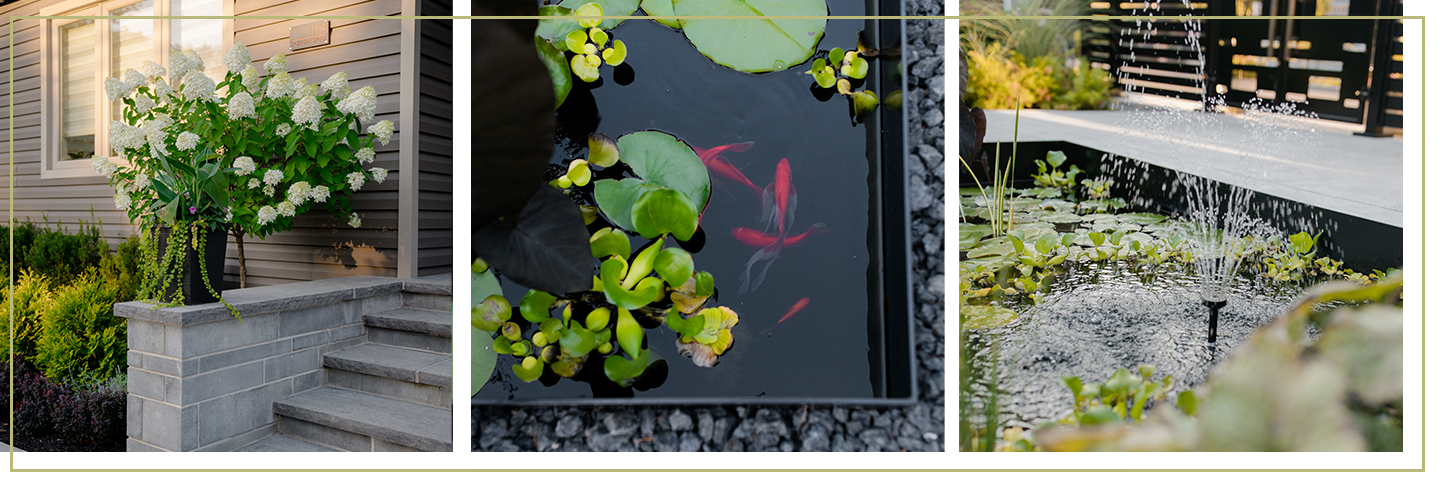
Most projects begin with drawings, finishes or square footage. But, in our experience, when we begin here, this is like starting with the end in mind. It results in solving the wrong problems, undefined priorities, reactive decisions and decisions that don’t align with future goals. The most successful projects, we’ve seen, begin with self reflection on the lifestyle we want to create.
Your Home Shapes More Than You Realize
Your home influences how you feel when you wake up. How you connect with family. How you host. How you recharge. How productive you are. How often people gather at your place instead of somewhere else. It can energize you, or be a source of stress.
Lifestyle is the cumulative experience of daily life inside and around your property. When that experience is undefined, design becomes guesswork. When it is clear, the design solutions become self-evident.
The Lifestyle By Design Framework
Over time, we developed a simple advisory framework to guide major home and property decisions. It’s called Lifestyle by Design, and it is built around five pillars:
-
Current Pain Points
-
Connection
-
Rest and Restoration
-
Function and Flexibility
-
Identity and Self-Expression
When these pillars are clarified before design begins, decisions come as a natural consequence rather than a reaction.
Lets look at each briefly.
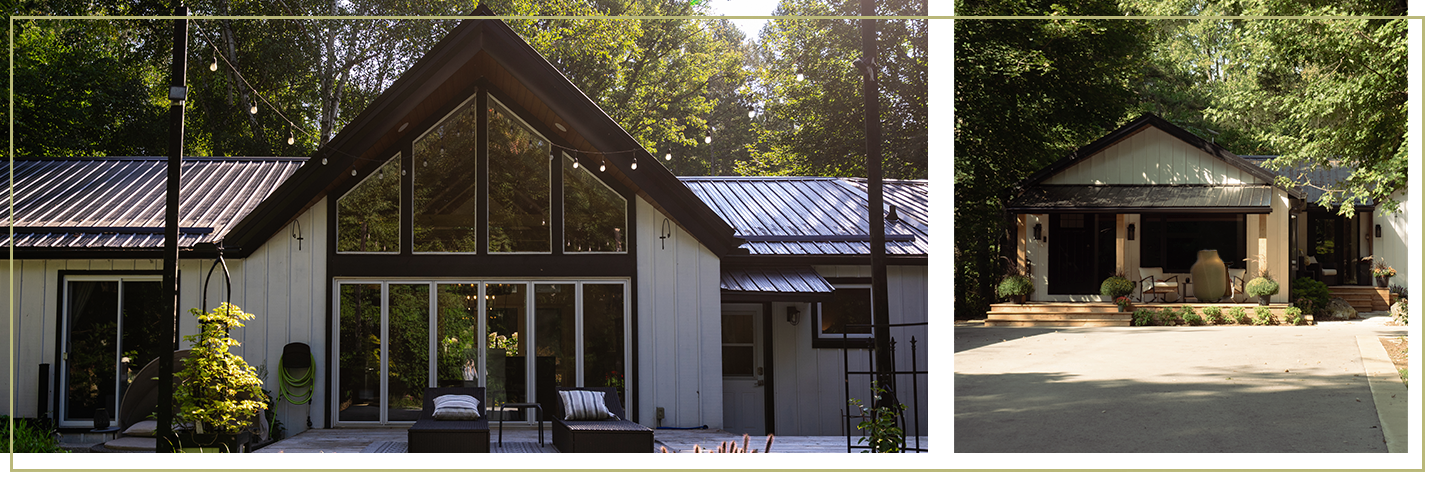
Current Pain Points: Frustration Is Data
Every project begins with understanding what is not working.
Is the kitchen too small for gatherings?
Does the home feel cluttered or disorganized?
Is there a lack of privacy?
Does the property feel disconnected from how you want to live?
Sometimes the pain point is practical. Sometimes it is emotional, a persistent sense that something feels unfinished or chaotic.
Skipping this step often leads to cosmetic upgrades that do not address the underlying dissatisfaction. Identifying pain points reveals priorities and prevents solving the wrong problem.
Connection: Designing For The Relationships That Matter
Who are you trying to bring together?
Children and grandchildren?
Large gatherings of friends?
Intimate evenings for two?
Business associates?
Connection does not happen accidentally. It requires space, flow, proportion, and intention.
When we design for connection, homes become destinations. They become the place people want to gather. Without this clarity, entertaining spaces can feel either oversized and underused or cramped and inadequate.
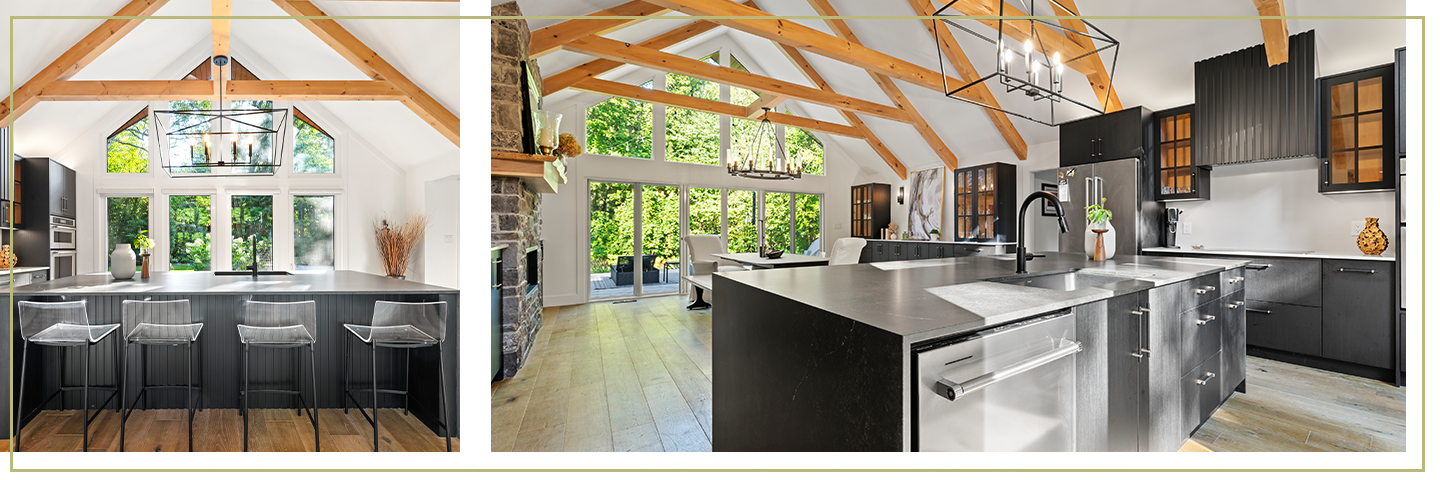
Rest And Restoration: Your Home As A Place To Recharge
Homes are where we recover, but restoration looks different for everyone.
For some, it is cooking in a well-designed kitchen.
For others, it is gardening, a workshop, a pool, a fireplace, or a quiet reading space.
For some, it is wellness-oriented spaces that support meditation or retreat.
If our home does not provide a clear path for relaxation, it becomes another source of stress rather than relief. Designing for restoration is an investment in your long-term well-being.
Function And Flexibility: Building For Today And Tomorrow
What must your home do, now and five to ten years from now?
Children grow. Careers shift. Retirement approaches. Hosting styles evolve. Aging-in-place considerations emerge.
The most expensive mistake in residential property is building for today without considering tomorrow. Function must be layered with flexibility so that the home adapts with you rather than forcing another renovation prematurely.
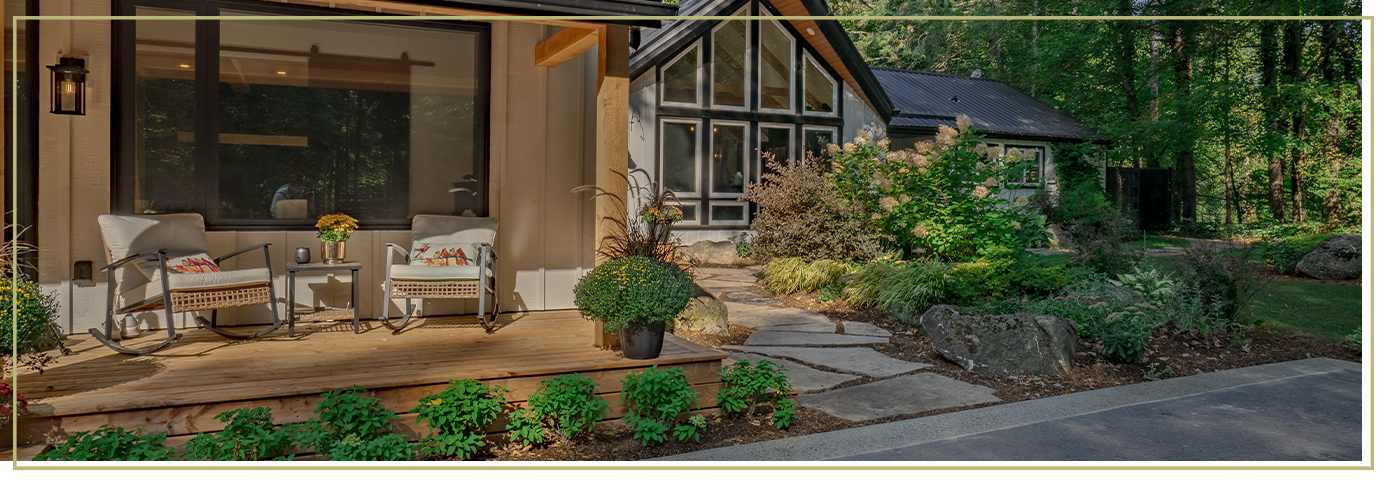
Identity And Expression: A Cohesive Design Language
Finally, we address aesthetics.
Your home communicates who you are and what you value. Architecture, materials, landscaping, and proportion all signal identity.
More important than selecting a particular trend is defining what resonates with you. A cohesive design language emerges naturally when lifestyle clarity exists first.. Without that clarity, aesthetic decisions can feel disconnected or overly trend-driven.
When Lifestyle Leads, Design Follows
When these five pillars are clarified before design begins, something powerful happens:
- Budgets become more strategic.
- Phasing becomes more logical.
- Design decisions become aligned.
- Regret becomes far less likely.
Without this clarity, projects drift. And drift leads to overbuilding, underutilized spaces, and renovation fatigue.
Most people redesign rooms. Few intentionally design daily experience. And daily experience determines long-term satisfaction.
If you are considering a renovation, custom home, or full-property transformation, begin with lifestyle, not space.